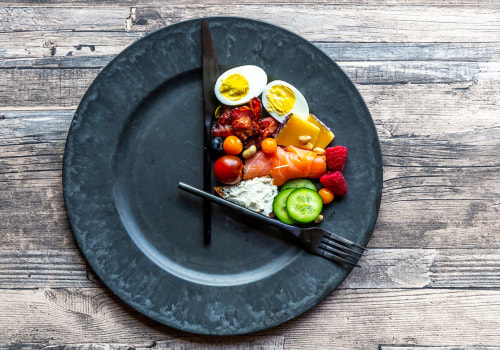
Are you on a journey to achieve your weight loss goals but find yourself overwhelmed by the plethora of diet options available? You’re not alone! Many people struggle to navigate the world of nutrition, leading to confusion and frustration. That’s why we’ve crafted this comprehensive guide featuring Sample Meal Plans for Weight Loss Success.In this article, we will provide you with practical and effective meal plans tailored to promote weight loss while ensuring you enjoy delicious and satisfying meals. Whether you're a busy professional, a stay-at-home parent, or someone looking to improve their health, these meal plans will cater to your lifestyle and nutritional needs. Understanding how to structure your meals can be the key to unlocking your weight loss potential. With our sample meal plans, you’ll learn how to balance your macronutrients, incorporate a variety of foods, and maintain a sustainable eating pattern that fits seamlessly into your daily routine. So, if you’re ready to take charge of your health and discover meal plans that not only taste great but also support your weight loss journey, keep reading! You’ll find the tools and inspiration you need to succeed. Meal planning is a crucial component of any successful weight loss strategy.
By having a structured approach to meals, individuals can simplify their weight loss journey, reduce unhealthy eating habits, and foster a sense of accountability. When you establish sample meal plans for weight loss success, you create a framework that allows you to make healthier choices consistently, leading to sustainable weight loss.There are various dietary preferences that one can consider when creating effective meal plans. For instance, a vegetarian meal plan focuses on plant-based foods while ensuring adequate protein intake through legumes, nuts, and whole grains. A typical vegetarian meal plan might include breakfast options such as overnight oats topped with fruits and nuts, a lunch of quinoa salad with mixed vegetables and chickpeas, and a dinner featuring stir-fried tofu with broccoli and brown rice. , you create a framework that allows you to make healthier choices consistently, leading to sustainable weight loss. There are various dietary preferences that one can consider when creating effective meal plans. For instance, a vegetarian meal plan focuses on plant-based foods while ensuring adequate protein intake through legumes, nuts, and whole grains. A typical vegetarian meal plan might include breakfast options such as overnight oats topped with fruits and nuts, a lunch of quinoa salad with mixed vegetables and chickpeas, and a dinner featuring stir-fried tofu with broccoli and brown rice.
Snacks could include hummus with carrot sticks or a piece of fruit. This plan could aim for a macronutrient ratio of approximately 50% carbohydrates, 25% protein, and 25% fats, with an estimated calorie count of around 1500 calories per day. Another popular option is the low-carb meal plan, which limits carbohydrate intake to promote fat burning. A sample day on this plan might start with a breakfast of scrambled eggs with spinach and avocado, followed by a lunch of grilled chicken salad with olive oil dressing, and a dinner featuring baked salmon with asparagus. Snacks might consist of nuts or cheese.
The nutritional balance in a low-carb meal plan often consists of 20% carbohydrates, 50% protein, and 30% fats, typically totaling around 1600 calories. This approach can help stabilize blood sugar levels and reduce cravings. The Mediterranean diet is another excellent choice for weight loss that emphasizes whole foods and healthy fats. A sample Mediterranean meal plan could feature Greek yogurt with honey and walnuts for breakfast, a lunch of whole grain pita stuffed with falafel and fresh vegetables, and dinner of grilled shrimp with couscous and roasted vegetables. Snacks can include olives or a small serving of dark chocolate.
This plan generally has a macronutrient composition of about 40% carbohydrates, 30% protein, and 30% fats, usually around 1500 to 1800 calories daily. The Mediterranean diet is also linked to numerous health benefits beyond weight loss. While following any meal plan, it’s essential to consider portion control and mindful eating. Portion control helps prevent overeating by ensuring that the quantity of food consumed aligns with your dietary goals. Mindful eating encourages individuals to slow down during meals, savor each bite, and recognize hunger and satiety cues.
This practice can significantly impact weight management by reducing the likelihood of emotional eating or mindless snacking. Readers may face challenges such as boredom from repetitive meals or difficulty in finding time to prepare healthy foods. To combat these issues, consider batch cooking meals on weekends or incorporating variety by rotating different recipes weekly. Additionally, using frozen fruits and vegetables can save time without compromising nutritional value. It’s also advisable to keep healthy snacks readily available to avoid reaching for unhealthy options during cravings. Lastly, personalizing your meal plan according to your preferences and lifestyle is crucial for long-term adherence.
Incorporate foods you love while also experimenting with new recipes to keep your meals exciting. Adjust portion sizes based on your activity level or specific goals, such as muscle gain or fat loss. Remember that the most effective meal plan is one that fits seamlessly into your life while supporting your weight loss journey.
Maintaining Weight Loss
Transitioning from a weight loss meal plan to a maintenance plan is a crucial step in your journey towards long-term success. It is essential to recognize that maintaining weight loss requires a shift in mindset and habits.Healthy habits and lifestyle changes play a pivotal role in this transition. First, consider gradually increasing your calorie intake once you reach your target weight. This can help prevent weight regain while still allowing you to enjoy a variety of foods. Aim for a small increase in calories, ideally around 100-200 calories per day, and monitor how your body responds. Adjust accordingly based on your activity level and body composition. Next, continue to prioritize nutrient-dense foods in your diet.
Incorporating a wide range of fruits, vegetables, whole grains, lean proteins, and healthy fats will ensure that you are meeting your nutritional needs while also keeping you satisfied. Remember that moderation is key; it's okay to indulge occasionally, but aim to make healthier choices most of the time. Another important aspect of maintaining weight loss is staying active. Regular physical activity not only helps burn calories but also supports overall health and well-being. Find activities that you enjoy and make them a regular part of your routine.
This could include walking, cycling, swimming, or participating in group fitness classes. Lastly, cultivate a support system that encourages healthy behaviors. Surround yourself with friends or family members who share similar goals or seek out weight loss groups for accountability. Sharing your experiences and challenges can help reinforce your commitment to maintaining your weight loss. In conclusion, transitioning from a weight loss meal plan to a maintenance plan involves more than just changing your diet; it requires an ongoing commitment to healthy habits and lifestyle changes. By implementing these strategies, you can successfully maintain your weight loss and continue to lead a healthier life.
Success Stories and Testimonials
When it comes to weight loss, there’s nothing quite as motivating as hearing real-life success stories from individuals who have transformed their lives through meal plans.These stories not only inspire but also provide practical insights into the challenges and triumphs of following a structured diet. Take the story of Sarah, a 34-year-old mother of two who struggled with her weight for years. After trying various diets without success, she decided to commit to a weekly meal plan specifically designed for weight loss. Initially, Sarah faced challenges such as cravings and time constraints. However, by meal prepping on Sundays, she was able to stick to her plan throughout the week.
Over six months, Sarah lost 30 pounds and gained confidence in her ability to make healthier choices. Another inspiring example is Mark, a 45-year-old office worker who found himself at a crossroads with his health. After receiving a wake-up call from his doctor regarding his blood pressure, he sought help by adopting a structured meal plan. Mark faced obstacles such as social events and family gatherings where unhealthy food was abundant. By planning ahead and making smart swaps, he not only managed to lose 25 pounds but also improved his overall health.
His journey illustrates how accountability and preparation can lead to lasting change. These success stories highlight that while the journey may have its ups and downs, having a clear meal plan can make all the difference. Readers can take comfort in knowing that they are not alone in their struggles and that with determination and a solid plan, they too can achieve their weight loss goals.
Incorporating Exercise with Meal Plans
While meal planning is a crucial component of any weight loss strategy, it is equally important to recognize the role that exercise plays in enhancing the effectiveness of these plans. Incorporating regular physical activity not only boosts your metabolism but also helps to maintain muscle mass while losing weight. When you combine a structured meal plan with a consistent workout routine, you create a holistic approach to achieving your weight loss goals. To illustrate how exercise complements meal planning, consider pairing specific meal plans with effective workout routines.For example, if your meal plan focuses on high-protein meals to support muscle growth, you might want to include strength training exercises such as weight lifting or bodyweight workouts. These types of exercises can help you build lean muscle, which in turn increases your resting metabolic rate. On the other hand, if your meal plan emphasizes low-calorie options for quick weight loss, incorporating cardio workouts can be beneficial. Activities like running, cycling, or swimming can help burn additional calories and enhance fat loss. For instance, you could follow a meal plan rich in fruits and vegetables during the day and then engage in a high-intensity interval training (HIIT) session in the evening. Additionally, scheduling workouts around your meal plans can maximize energy levels and recovery.
Consuming a balanced meal that includes carbohydrates and protein before a workout can provide the necessary fuel for an effective exercise session. Post-workout, focusing on protein-rich meals can aid in recovery and muscle repair. Ultimately, the synergy between exercise and meal planning creates a supportive environment for sustainable weight loss. By thoughtfully integrating exercise into your routine, you not only enhance the benefits of your meal plans, but also promote a healthier lifestyle overall.
Meal Plans for Different Diets
When embarking on a weight loss journey, selecting the right diet plan can make all the difference. Below, we delve into sample meal plans tailored for various dietary preferences, ensuring you find one that suits your lifestyle while promoting weight loss success.Ketogenic Meal Plan:
The ketogenic diet focuses on high-fat, moderate-protein, and very low-carbohydrate intake to encourage your body to enter ketosis, where it burns fat for fuel instead of carbs.A sample day might include:
- Breakfast: Scrambled eggs cooked in butter with spinach and avocado.
- Lunch: Grilled chicken salad with olive oil dressing and a side of broccoli.
- Dinner: Baked salmon with asparagus drizzled in lemon butter.
- Snacks: A handful of nuts or celery sticks with cream cheese.
Paleo Meal Plan:
The paleo diet emphasizes whole foods reminiscent of what our ancestors might have eaten. This plan avoids processed foods, grains, and dairy. A sample day may include:- Breakfast: Smoothie made with spinach, banana, almond milk, and chia seeds.
- Lunch: Lettuce wraps filled with turkey, avocado, and salsa.
- Dinner: Grass-fed beef stir-fry with mixed vegetables.
- Snacks: Sliced apple with almond butter.
Vegetarian Meal Plan:
A vegetarian diet can be very effective for weight loss when balanced correctly. This plan is rich in plant-based foods and fiber.A sample day could look like:
- Breakfast: Overnight oats topped with berries and flaxseeds.
- Lunch: Quinoa salad with black beans, corn, diced peppers, and lime vinaigrette.
- Dinner: Vegetable curry served with brown rice.
- Snacks: Carrot sticks with hummus or a piece of fruit.
Mediterranean Meal Plan:
Known for its heart-healthy properties, the Mediterranean diet includes healthy fats, lean proteins, and plenty of fruits and vegetables. A sample day may include:- Breakfast: Greek yogurt with honey and walnuts.
- Lunch: Chickpea salad with cucumbers, tomatoes, olives, and feta cheese.
- Dinner: Grilled shrimp with a side of roasted vegetables and quinoa.
- Snacks: A small handful of olives or a piece of dark chocolate.
Remember, the key takeaways from this article emphasize the importance of finding a meal plan that aligns with your individual needs and preferences. By incorporating exercise and maintaining a balanced diet, you can enhance your weight loss results. The success stories and testimonials shared throughout this article serve as motivation, proving that with commitment and the right plan, lasting change is achievable. We encourage you to take action today—try out the sample meal plans provided, adjust them to suit your lifestyle, and embark on your path towards lasting weight loss success.