Embarking on a weight loss journey can be both exciting and challenging. With countless diets and trends promising quick results, it’s easy to feel overwhelmed. However, one of the most effective and sustainable ways to shed those extra pounds is by focusing on the top foods for weight loss. Consulting a professional can help you determine which is better for weight loss nutritionist, ensuring that you not only reach your weight loss goals but also nourish your body with essential nutrients, making every meal a step towards better health. In this article, we will explore a variety of . Consulting a professional can help you determine which is better for weight loss nutritionist, ensuring that you not only reach your weight loss goals but also nourish your body with essential nutrients, making every meal a step towards better health. In this article, we will explore a variety of nutrient-dense foodsnutrient-dense foods that can support your weight loss efforts while keeping you satisfied and energized.
Whether you’re looking to trim down for an upcoming event or simply want to adopt a healthier lifestyle, incorporating these foods into your diet can pave the way for lasting success. Each food we discuss not only aids in weight management but also contributes to overall well-being, ensuring that you feel good inside and out. From fiber-rich vegetables to lean proteins and healthy fats, discover how these top foods can transform your meals and help you achieve your weight loss goals without feeling deprived. Get ready to dive into a world of flavors that are not only delicious but also supportive of your journey towards a healthier you!Embarking on a weight loss journey can be challenging, with countless diets and food trends promising quick results. However, achieving sustainable weight loss is often more about making informed dietary choices rather than following the latest fad.
One of the most effective strategies involves incorporating nutrient-dense foods into your meals. These foods are not only low in calories but also high in essential nutrients, making them ideal for anyone looking to shed pounds while still feeling satisfied and nourished. One category of top foods for weight loss is vegetables, particularly leafy greens like spinach, kale, and Swiss chard. These vegetables are rich in vitamins, minerals, and fiber, contributing to a feeling of fullness without adding many calories. Research indicates that diets high in vegetables can lead to lower body weight and improved overall health.
To incorporate more greens into your diet, consider adding them to smoothies, salads, or stir-fries. For a simple recipe, try sautéing kale with garlic and olive oil for a delicious side dish that complements any meal. Another powerhouse category is fruits, especially berries such as blueberries, strawberries, and raspberries. Berries are packed with antioxidants and fiber, which can help regulate appetite and blood sugar levels. A study published in the American Journal of Clinical Nutrition found that people who consumed higher amounts of fruits like berries tended to have lower body mass indexes (BMIs).
To enjoy berries daily, add them to yogurt, oatmeal, or use them as a sweet topping for whole-grain pancakes. Whole grains also deserve a mention when discussing foods for weight loss. Foods like quinoa, brown rice, and oats provide complex carbohydrates that offer lasting energy and keep you full longer. Unlike refined grains, whole grains retain their fiber content, which aids in digestion and can prevent overeating. Incorporating whole grains into your meals can be as simple as switching out white rice for brown rice or choosing whole-grain bread for sandwiches.
For breakfast, consider oatmeal topped with fresh fruits and nuts for an energizing start to your day. Protein plays a crucial role in weight loss as well. Lean meats such as chicken breast and turkey are excellent sources of protein that can promote muscle maintenance during weight loss. Additionally, plant-based proteins like lentils, chickpeas, and beans are not only high in protein but also in fiber, which helps you stay full. A review in the Journal of Nutrition highlighted that higher protein intake can enhance weight loss efforts by reducing hunger hormones.
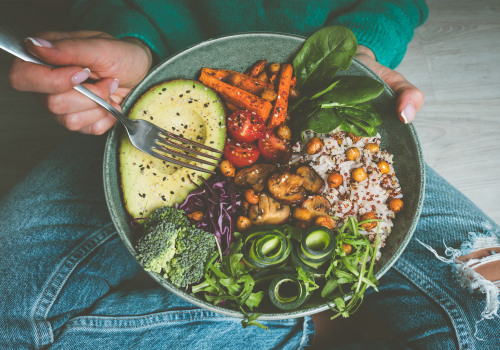
Try incorporating lean proteins into your meals by preparing grilled chicken salads or hearty bean soups that can be made in bulk for easy meal prep. Healthy fats should not be overlooked either; they are essential for satiety and nutrient absorption. Foods such as avocados, nuts, seeds, and olive oil provide healthy fats that can actually aid in weight loss when consumed in moderation. A study published in the American Journal of Clinical Nutrition found that diets rich in healthy fats can result in better weight management outcomes compared to low-fat diets. To enjoy healthy fats, consider adding sliced avocado to your toast or snacking on a handful of almonds instead of processed snacks. It’s important to address some common misconceptions about certain foods that are often vilified in the context of weight loss.
For instance, many people believe that all carbohydrates contribute to weight gain; however, this is not true when considering the type of carbohydrates consumed. Whole food sources of carbohydrates like fruits and vegetables are beneficial to health and should be included rather than avoided. Similarly, healthy fats are vital for overall health and should be embraced rather than feared. Incorporating these top foods for weight loss into your daily meals doesn’t have to be complicated or time-consuming. Consider creating a weekly meal plan that features a balance of these nutrient-dense foods.
For example, plan a week where you have a quinoa salad with mixed vegetables and grilled chicken one day, followed by a lentil soup with whole-grain bread the next day. This not only helps simplify grocery shopping but also ensures you are getting a variety of nutrients throughout the week. Ultimately, the key to successful weight loss lies in embracing a diverse range of nutrient-dense foods, focusing on whole ingredients while allowing yourself the flexibility to enjoy your meals. By understanding the benefits of these foods and integrating them thoughtfully into your diet, you’ll be better positioned to achieve your weight loss goals while maintaining overall health.
Dairy Alternatives
Incorporating dairy alternatives into your weight loss journey can be a game changer. Low-fat dairy products and plant-based options can provide essential nutrients without excess calories, making them an excellent addition to a weight loss-friendly diet. One popular choice is Greek yogurt, which is packed with protein and can aid in keeping you full longer.This creamy delight not only supports muscle maintenance during weight loss but also contains probiotics that promote gut health. Another great option is almond milk, a low-calorie alternative to traditional cow's milk. Unsweetened almond milk contains fewer calories and is often fortified with vitamins such as calcium and vitamin D, making it a nutritious choice for those looking to lose weight. Incorporating these dairy alternatives into smoothies, cereals, or as a standalone snack can enhance your diet while helping you meet your weight loss goals. By opting for these nutrient-dense foods, you are not only supporting your weight loss efforts but also nourishing your body with the essential nutrients it needs.
Lean Proteins
Lean proteins play a crucial role in any weight loss journey by aiding in muscle maintenance while promoting fat loss. When you're trying to lose weight, it's essential to preserve lean muscle mass, as muscle burns more calories at rest compared to fat.This means that a higher muscle mass can lead to a more efficient metabolism, helping you achieve your weight loss goals more effectively. Incorporating lean protein sources into your diet can also help you feel fuller for longer, reducing the likelihood of overeating. Some excellent options for lean proteins include chicken breast, which is low in fat and high in protein, making it a favorite among fitness enthusiasts. Additionally, fish, especially fatty varieties like salmon and trout, provide essential omega-3 fatty acids alongside their protein content, supporting overall health. For those following a plant-based diet, legumes such as lentils, chickpeas, and black beans are fantastic sources of protein and fiber, contributing to satiety and nutrient intake. Similarly, tofu and other soy products offer a versatile and nutritious protein source that can be incorporated into various dishes. By focusing on lean proteins, you can create a balanced diet that supports your weight loss efforts while ensuring that your body receives the essential nutrients it needs to thrive.
Hydration and Weight Loss
Hydration plays a pivotal role in the weight loss journey, often overlooked in the quest for achieving fitness goals.Many individuals underestimate the importance of staying properly hydrated, but the truth is that water is essential for various bodily functions, including metabolism and energy regulation. When you are adequately hydrated, your body can efficiently process nutrients, burn fat, and eliminate waste. Studies have shown that drinking enough water can help increase metabolism and aid in the reduction of calorie intake. In fact, research suggests that consuming approximately 500 ml of water before meals can lead to a decrease in overall calorie consumption. In addition to drinking sufficient water, incorporating water-rich foods into your diet can significantly contribute to your hydration levels. Foods such as cucumbers, watermelon, oranges, and lettuce are not only refreshing but also provide essential vitamins and minerals.
These foods can help you feel full longer while keeping your hydration levels in check. Furthermore, it’s important to remember that hydration needs can vary based on individual factors such as activity level, climate, and overall health. It’s advisable to drink at least eight 8-ounce glasses of water a day, but this may need to be adjusted according to your lifestyle. Keep a water bottle handy throughout the day to remind yourself to drink regularly. In summary, prioritizing hydration is a simple yet effective strategy for supporting your weight loss efforts. By ensuring you consume enough fluids and incorporating water-rich foods into your meals, you'll not only enhance your overall health but also support your body in its weight loss journey.
Fruits and Vegetables
Fruits and vegetables play a crucial role in any weight loss journey, primarily due to their high fiber content.Foods rich in fiber are known to promote feelings of fullness, which can help reduce overall calorie intake. By incorporating more fiber-rich options into your diet, you can effectively manage your hunger and avoid unhealthy snacking between meals. Leafy greens, such as spinach and kale, are excellent examples of nutrient-dense vegetables. They are low in calories but packed with essential vitamins and minerals. A salad filled with these greens not only provides necessary nutrients but also contributes to your daily fiber intake, keeping you satisfied for longer periods. Berries are another fantastic choice when it comes to fruits.
Not only are they delicious, but they are also loaded with antioxidants and fiber. For instance, a cup of raspberries contains around 8 grams of fiber, which aids digestion and helps control appetite. Incorporating berries into your breakfast or as a snack can significantly enhance your weight loss efforts. Cruciferous vegetables, such as broccoli and cauliflower, deserve special mention as well. These veggies are not only high in fiber but also contain compounds that may help boost metabolism.
Adding these vegetables to your meals can increase volume without significantly adding calories, making them a powerful ally in weight management. In summary, focusing on high-fiber fruits and vegetables can greatly support your weight loss goals. By choosing options like leafy greens, berries, and cruciferous vegetables, you can enhance satiety while keeping your calorie intake in check.
Healthy Fats
When embarking on a weight loss journey, many people often shy away from fats, fearing they will hinder their progress. However, healthy fats play a crucial role in a balanced diet and can actually support weight management when consumed in moderation. Including sources of healthy fats like avocados, nuts, seeds, and olive oil in your meals can provide essential nutrients that promote overall health. These foods are rich in monounsaturated and polyunsaturated fats, which have been shown to improve heart health and reduce inflammation.For instance, avocados are not only delicious but are also packed with fiber and potassium, making them a satisfying choice that can help curb cravings. Nuts and seeds, such as almonds, walnuts, chia seeds, and flaxseeds, offer a great source of protein and healthy fats. A handful of these nutrient-dense snacks can keep you feeling full longer, reducing the likelihood of overeating later in the day. Furthermore, they are versatile ingredients that can be added to salads, smoothies, or enjoyed on their own. Another excellent source of healthy fats is olive oil. Rich in antioxidants, it can be used for cooking or as a dressing on salads.
Studies have suggested that incorporating olive oil into your diet may help in regulating appetite and promoting a healthy metabolism. Incorporating these healthy fats into your diet not only enhances flavor but also contributes to your body’s nutrient needs while supporting your weight loss goals. Remember that moderation is key; balancing these fats with other food groups will help you achieve a well-rounded approach to healthy eating.
Whole Grains
Whole grains are an essential component of a healthy diet, particularly for those on a weight loss journey. Unlike refined grains, which have been stripped of their natural fiber and nutrients, whole grains retain their bran and germ, making them far more beneficial for your health. One of the primary advantages of whole grains is their high fiber content. Fiber is crucial for maintaining digestive health and can help you feel fuller for longer periods, reducing the likelihood of overeating.Studies have shown that diets rich in fiber can lead to better weight management outcomes. For instance, consuming foods high in fiber can increase feelings of satiety, helping you control your calorie intake effectively. Moreover, whole grains provide a sustained release of energy, which is vital for those who are active or looking to manage their weight. Instead of experiencing the quick spikes and crashes associated with refined grains, such as white bread or pastries, whole grains like quinoa, brown rice, and oats offer a more stable source of energy throughout the day. This not only helps in maintaining energy levels but also supports better overall mood and concentration. Incorporating whole grains into your meals can be simple and delicious.
For breakfast, try a bowl of oatmeal topped with fruits and nuts; for lunch, opt for a salad with quinoa as a base; and for dinner, replace white rice with brown rice or farro. These small changes can have a significant impact on your weight loss journey. In summary, choosing whole grains over refined grains can enhance your weight loss efforts by providing essential nutrients, promoting satiety, and offering sustained energy release. Make the switch today for a healthier lifestyle!In conclusion, incorporating nutrient-dense foods into your daily diet is essential for achieving your weight loss goals. By focusing on fruits and vegetables, lean proteins, whole grains, healthy fats, and dairy alternatives, you can create a balanced and satisfying eating plan that supports your body's needs while promoting weight loss.
Additionally, maintaining proper hydration is crucial for overall health and can aid in your weight management efforts. As you embark on your weight loss journey, remember that these dietary changes should be part of a holistic approach. Combining healthy eating with regular physical activity and necessary lifestyle adjustments will enhance your results and lead to lasting change. Embrace the process, stay committed, and enjoy the journey towards a healthier you!.