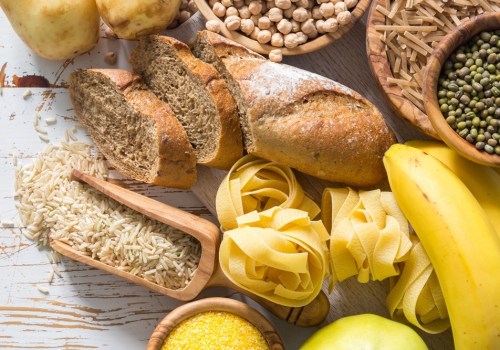
In today's fast-paced world, maintaining a balanced diet while addressing dietary restrictionsdietary restrictions can be a daunting challenge. Whether you are navigating food allergies, intolerances, or specific lifestyle choices, the quest for effective meal planning is crucial for your overall well-being and weight loss goals. Customizing meal plans tailored to your unique needs not only promotes better health but also enhances your culinary experience, making healthy eating enjoyable rather than a chore. Imagine savoring delicious meals that cater to your individual preferences and dietary requirements, all while supporting your journey towards a healthier lifestyle.
Customizing meal plans for dietary restrictions
allows you to discover exciting new recipes, ingredients, and flavors that align with your health objectives.This article will guide you through the process of creating personalized meal plans that fit seamlessly into your daily routine, ensuring that you never have to compromise on taste or nutrition. Whether you're looking to lose weight, gain energy, or simply maintain a healthier lifestyle, understanding how to tailor your meals is key. Join us as we explore effective strategies for meal customization, empowering you to take charge of your health journey while enjoying every bite!In today’s world, the demand for personalized meal plans has surged, particularly among individuals with dietary restrictions. Whether due to health concerns, ethical beliefs, or personal preferences, understanding how to tailor meal plans is crucial for aligning with weight loss goals. It's essential to create a balance between health and individual preferences to ensure long-term adherence and success. Various types of dietary restrictions exist, each influencing weight loss and nutrition in distinct ways.
For example, a gluten-free diet excludes all gluten-containing foods, primarily found in wheat, barley, and rye. This shift can lead to weight loss if individuals replace processed gluten-rich foods with whole, unprocessed options like fruits, vegetables, and gluten-free grains such as quinoa or brown rice. Meal options might include a quinoa salad with roasted vegetables or a hearty vegetable stir-fry with tofu. On the other hand, a vegan diet eliminates all animal products, encouraging a plant-based lifestyle that can promote weight loss by increasing the intake of fiber-rich foods. Foods such as lentils, chickpeas, and leafy greens are staples.
A simple meal could consist of a chickpea salad with cucumbers, tomatoes, and a tahini dressing or a hearty vegan chili packed with beans and vegetables. Similarly, a vegetarian diet allows for dairy and eggs but excludes meat. This diet can help in weight management when it emphasizes whole foods over processed vegetarian options. Consider meals like vegetable stir-fried rice with scrambled eggs or a spinach and feta stuffed bell pepper. Both options provide essential nutrients while supporting weight loss. For those opting for low-carb diets, the focus shifts to reducing carbohydrate intake to encourage the body to burn fat for fuel.
This approach can be effective for weight loss; however, it necessitates careful planning to ensure adequate nutrient intake. Meal ideas include grilled chicken served with steamed broccoli and a side salad or zoodles (zucchini noodles) topped with marinara sauce and meatballs made from ground turkey. The importance of macro and micronutrient balance cannot be overstated when customizing meal plans for effective weight management. Each dietary restriction comes with its unique set of challenges regarding nutrient intake. For instance, vegans must be mindful of obtaining adequate protein and vitamin B12, while those on low-carb diets should ensure they consume enough fiber and vitamins from non-starchy vegetables.
A well-rounded meal plan should incorporate a variety of food groups to meet these nutritional needs while also catering to individual preferences. Meal prepping is another strategy that can support adherence to customized meal plans. Preparing meals in advance can help individuals avoid the temptation of unhealthy choices when hunger strikes. Portion control is essential in this process; using containers that promote appropriate serving sizes can aid in maintaining caloric intake. Moreover, adopting mindful eating practices—such as savoring each bite and focusing on the food rather than distractions—can enhance satisfaction and reduce overeating. However, individuals may face various challenges when adhering to their customized meal plans.
Social situations often present temptations that could derail progress, while time constraints may make meal preparation difficult. To overcome these challenges, individuals can seek support from friends or join community groups focused on similar dietary goals. Additionally, success stories from others who have successfully navigated similar paths can serve as powerful motivation to stay committed. In conclusion, customizing meal plans for dietary restrictions is not only feasible but essential for achieving weight loss goals. By understanding different dietary needs and incorporating balanced nutrition with effective meal prepping strategies, individuals can develop sustainable habits that lead to lasting change.
Maintaining Motivation and Long-Term Success
Embarking on a weight loss journey can be a challenging yet rewarding experience, particularly when it involves customizing meal plans for dietary restrictions.Staying motivated throughout this process is crucial for achieving long-term success. One effective method to maintain motivation is by establishing a robust support system. Surrounding yourself with friends, family, or support groups who understand your goals can provide encouragement and accountability. Sharing your challenges and victories with others can help you stay on track and feel less isolated in your journey. Additionally, seeking out success stories from individuals who have overcome similar obstacles can be incredibly inspiring.
These narratives not only highlight the possibility of success but also offer practical tips and strategies that may resonate with your own experiences. Consider following blogs, social media accounts, or joining online communities dedicated to weight loss and dietary needs. These platforms can serve as a source of motivation and a reminder that you are not alone in your pursuit of health. Moreover, setting realistic and achievable goals is essential for maintaining motivation. Instead of focusing solely on the end result, break your larger goals into smaller, manageable milestones.
Celebrate each achievement, no matter how small, as this positive reinforcement can help keep you engaged in the process. Incorporating variety in your customized meal plans can also keep things exciting and prevent feelings of deprivation. Finally, remember to practice self-compassion. There will be ups and downs during your weight loss journey, and it's important to acknowledge that setbacks are a normal part of the process. Embrace each step as a learning opportunity, and remind yourself that the path to lasting change is often non-linear.
By focusing on maintaining motivation through support, inspiration from success stories, realistic goal setting, and self-kindness, you can pave the way for long-term success in your weight loss journey.
Understanding Dietary Restrictions
In today's diverse culinary landscape, dietary restrictions have become increasingly common due to various health, ethical, and lifestyle choices. Understanding these restrictions is crucial for anyone looking to tailor their meal plans effectively, especially when considering weight loss goals.Common dietary restrictions include:- Gluten-Free: Individuals with celiac disease or gluten sensitivity must avoid gluten, a protein found in wheat, barley, and rye. For these individuals, nutritional balance can be challenging, as many gluten-free products are often processed and may lack essential nutrients.
- Dairy-Free: Those who are lactose intolerant or have a dairy allergy need to exclude dairy products from their diets. This restriction can impact calcium intake, which is vital for bone health, making it essential to find alternative sources.
- Vegetarian and Vegan: Vegetarian diets eliminate meat, while vegan diets exclude all animal products.
While these diets can be healthy and promote weight loss, they require careful planning to ensure adequate protein intake and other nutrients such as iron and B12.
- Paleo: The paleo diet focuses on whole foods similar to what might have been eaten during the Paleolithic era, excluding grains, legumes, and processed foods. While this diet may help with weight loss, it can also limit important food groups that provide necessary nutrients.
- Keto: The ketogenic diet emphasizes high-fat, low-carb eating to induce ketosis for weight loss. However, it can be restrictive and may lead to nutrient deficiencies if not carefully managed.
By customizing meal plans that consider these restrictions, individuals can achieve their weight loss goals while ensuring they meet their nutritional needs.
Creating a Customized Meal Plan
Creating a meal plan that accommodates dietary restrictions while also supporting weight loss goals requires careful consideration and a structured approach. The following steps outline an effective method for developing a personalized meal plan:1.Assess Dietary Restrictions: Begin by identifying any specific dietary needs, such as food allergies, intolerances, or lifestyle choices like vegetarianism or veganism. Understanding these restrictions is crucial in selecting appropriate foods that will not compromise health.2.Define Weight Loss Goals:
Establish clear, achievable weight loss objectives. This could involve determining how much weight you aim to lose and in what timeframe.Setting realistic goals helps in maintaining motivation and adherence to the meal plan.
3.Calculate Caloric Needs:
Use an online calculator or consult with a nutritionist to determine your daily caloric needs based on factors like age, gender, activity level, and weight loss goals. This will guide you in portion sizes and meal frequency.4.Choose Nutrient-Dense Foods:
Focus on incorporating a variety of whole foods that are rich in nutrients while being lower in calories. This includes plenty of fruits, vegetables, whole grains, lean proteins, and healthy fats that align with your dietary restrictions.5.Plan Balanced Meals:
Aim for meals that include a balance of macronutrients—carbohydrates, proteins, and fats. Each meal should ideally contain a source of protein, healthy fats, and fiber-rich carbohydrates to promote satiety and support overall health.6.Prepare a Weekly Menu:
Create a weekly meal menu that outlines breakfast, lunch, dinner, and snacks.Be flexible and willing to swap meals based on availability of ingredients or personal cravings while staying within the guidelines of your dietary restrictions.
7.Grocery Shopping List:
Based on your weekly menu, compile a grocery list to ensure you have all the necessary ingredients on hand. This helps in avoiding last-minute unhealthy food choices.8.Monitor Progress:
Keep track of your meals and any changes in weight or overall health. Adjust the meal plan as needed based on your progress towards your weight loss goals. By following these steps to create a customized meal plan, individuals can effectively navigate their dietary restrictions while working towards successful weight loss outcomes.Effective Meal Prep Strategies
Meal prepping can be a game changer for anyone looking to maintain a customized meal plan that accommodates specific dietary restrictions. By planning and preparing meals in advance, you can ensure that your nutritional needs are met while also aligning with your weight loss goals.Here are some practical tips to help you effectively meal prep:Here are some practical tips to help you effectively meal prep:1.Plan Your Meals: Start by creating a weekly meal plan that takes into account your d dietary restrictions. This may involve researching recipes that fit your needs and ensuring they are balanced in terms of macronutrients. Make a shopping list based on your meal plan to avoid impulse buys.
2.Batch Cooking:
Choose a day of the week to batch cook your meals. Prepare large quantities of staple ingredients, such as grains, proteins, and vegetables.This will save you time during the week and ensure you always have compliant options on hand.
3.Use Proper Containers:
Invest in high-quality, airtight containers to store your prepped meals. Clear containers allow you to easily identify what you have, and portion-sized containers help with managing serving sizes, which is crucial for weight loss.4.Label Everything:
Clearly label all containers with the contents and date prepared. This not only helps with organization but also ensures that you consume meals before they spoil.5.Incorporate Variety:
To keep your meals interesting and enjoyable, rotate different recipes and ingredients each week. This will help prevent boredom and make it easier to stick to your customized meal plan.6.Adjust Portions:
When preparing meals, consider portion sizes that align with your weight loss goals.Using a food scale can help you accurately measure servings, especially for calorie-dense foods.
7.Stay Flexible:
Life can be unpredictable, so be prepared to adjust your meal plan as needed. Having extra snacks or quick meal options on hand can help you stay on track when unexpected events arise. By implementing these effective meal prep strategies, you can create a sustainable routine that supports your dietary needs and weight loss objectives while enjoying delicious and healthful meals.Customizing meal plans for dietary restrictions
is not just a trend; it’s a necessary approach to achieve weight loss goals while respecting individual health needs. Personalization allows individuals to enjoy their meals and stay on track, making healthy eating a sustainable lifestyle. As you embark on your journey, remember to assess your unique dietary requirements and preferences. Utilize the strategies discussed in this article to create a plan that resonates with your tastes while supporting your health objectives. Take actionable steps towards crafting your own customized meal plan today.Remember, healthy eating habitshealthy eating habits are a lifelong commitment, and with the right plan in place, you can achieve your goals while feeling satisfied and nourished.