In today's fast-paced world, snacking has become an integral part of our daily lives. Whether it's a quick bite between meals or a late-night treat, snacks can easily become a source of excess calories and unwanted weight gain if not managed properly. This is where portion control comes into play. Mastering portion control with snacks is not just about limiting what you eat; it’s about making informed choices that contribute to your overall health and weight loss goals. Many individuals struggle with the temptation of delicious snacks, often consuming them mindlessly.
However, by understanding the principles of portion control, you can enjoy your favorite snacks without sabotaging your weight loss journey. This article will guide you through effective strategies that promote mindful eating, ensuring that your snacking habits support your weight management efforts. Imagine being able to indulge in tasty treats while still staying on track with your weight loss plan. With the right techniques, you can savor every bite without guilt. Join us as we explore practical tips and tricks to help you achieve effective weight loss through smart snacking and portion control. The relationship between snacking and weight loss is often misunderstood.
Many people associate snacking with weight gain, fearing that any additional food intake will sabotage their diet efforts. However, when managed correctly, healthy snacks can be an integral part of a balanced diet and can even support Many people associate snacking with weight gain, fearing that any additional food intake will sabotage their diet efforts. However, when managed correctly, healthy snacks can be an integral part of a balanced diet and can even support weight loss. The key lies in understanding how to incorporate snacks wisely, focusing on portion control to maintain a calorie deficit while enjoying the benefits of nutritious foods. Snacking has psychological implications that can impact our eating habits. For many, snacks serve as comfort foods or rewards, leading to mindless consumption.
Portion control becomes crucial in these situations, as it helps prevent overeating. By being aware of our portion sizes and making conscious choices about what and how much we eat, we can enjoy snacks without derailing our weight loss goals. One practical tip for measuring portions is to use smaller plates or bowls. This simple trick can create an illusion of a fuller plate, tricking our brains into thinking we are eating more than we actually are. Another effective strategy is to opt for pre-packaged snacks which provide clear serving sizes.
This not only makes it easier to manage portions but also helps resist the temptation to overindulge. When it comes to healthy snack options, there are plenty of low-calorie yet nutrient-dense choices available. Fresh fruits and vegetables are excellent examples; they are rich in vitamins and minerals while remaining low in calories. For instance, a small apple or a cup of carrot sticks can satisfy hunger without adding excessive calories. Other great options include Greek yogurt, which is high in protein, or a small handful of nuts, which provide healthy fats and fiber.
These snacks not only keep you full but also contribute positively to your overall nutrition. However, it’s important to be aware of common pitfalls associated with snacking. Mindless snacking while watching TV or working at your desk can lead to unintentional overeating. To combat this, try to set specific snack times or choose healthier options that require more effort to eat, like whole fruits or raw vegetables, which encourage mindfulness. Additionally, drinking water before reaching for a snack can help determine if you are truly hungry or just bored. There may be disagreements regarding the role of snacking during weight loss.
Some argue that eliminating snacks altogether is the best approach; however, research supports the idea that portion control is essential for managing weight effectively. Studies show that individuals who incorporate healthy snacks into their diets tend to have better success with weight management compared to those who restrict themselves too much. This emphasizes the importance of balance and moderation rather than elimination. In conclusion, mastering portion control with snacks is vital for anyone looking to achieve their weight loss goals. By making mindful choices about what and how much we eat, we can enjoy the benefits of snacking while keeping our caloric intake in check.
With practical tips and a focus on healthy options, snacking can be a positive aspect of a balanced diet that supports lasting weight loss.
Mindful Snacking Techniques
Incorporating mindful snacking techniques into your daily routine can significantly enhance your portion control efforts. By being more aware of your snacking habits, you can make choices that align with your weight loss goals. One effective strategy is to eat slowly. When you take the time to savor each bite, you not only enjoy your snacks more, but you also give your brain a chance to register feelings of fullness. This can prevent overeating and help you appreciate the flavors and textures of your food. Another important aspect of mindful snacking is to eliminate distractions.Eating while watching TV, scrolling through your phone, or working can lead to mindless consumption. Instead, try to create a calm environment for your snacks. Focus solely on the act of eating; this can help you recognize when you are satisfied and stop before consuming too much. Additionally, consider portioning out your snacks ahead of time. Instead of eating straight from the bag or container, which can lead to mindless munching, serve yourself a predetermined amount.
This simple act can create a clear boundary that supports your portion control efforts. Lastly, tune into your body’s hunger cues. Ask yourself if you are truly hungry or just eating out of habit or boredom. Practicing this awareness can help foster a healthier relationship with food and support your weight loss journey.
Understanding Portion Sizes
When it comes to snacking, understanding portion sizes is essential for maintaining a healthy diet and achieving weight loss goals. Snacks can vary significantly in their recommended serving sizes, and being aware of these differences can help you make better choices. For instance, a single serving of nuts is typically about 1 ounce, or roughly 28 grams.This portion may seem small, but it contains a concentrated amount of calories and fats that can add up quickly if not measured properly. On the other hand, a serving of air-popped popcorn can be much larger, often around 3 cups, which provides a satisfying volume with fewer calories. To effectively manage your snacks and their portion sizes, consider using measuring cups or a food scale. This practice not only helps you gauge the right amount but also encourages mindfulness during snacking. Additionally, reading nutrition labels is crucial as they provide specific serving sizes and calorie counts, allowing you to make informed decisions. Another key aspect of identifying appropriate serving sizes is understanding the difference between whole foods and processed snacks.
Whole foods like fruits and vegetables often have more flexible portion sizes due to their lower calorie density. In contrast, processed snacks may have more rigid serving sizes that should be adhered to in order to avoid excessive calorie intake. Ultimately, mastering portion control with snacks requires awareness and practice. By familiarizing yourself with appropriate serving sizes for various snacks, you can enjoy your favorite treats while staying on track with your weight loss journey.
Success Stories
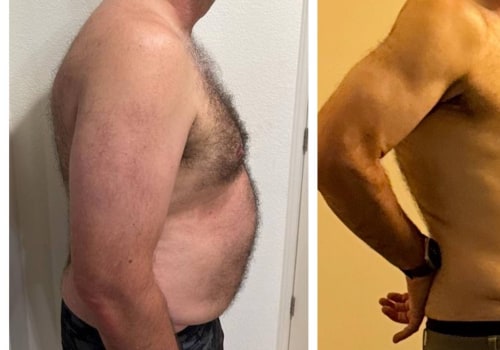
Many individuals have transformed their lives through portion control with snacks. Here are a few inspiring success stories that highlight how mindful snacking can lead to effective weight loss. One individual, Sarah, struggled with her weight for years.She discovered the concept of portion control and decided to apply it to her snack choices. Instead of mindlessly munching on chips straight from the bag, she started pre-portioning her snacks into small containers. This simple change helped Sarah feel satisfied without overindulging, and she lost 15 pounds in just three months. Another success story comes from Mark, who found himself snacking late at night while watching TV. He realized that this habit was hindering his weight loss goals.
By switching to healthier snacks and measuring out appropriate portions beforehand, he was able to cut his late-night snacking by 50%. As a result, Mark lost 10 pounds in six weeks and felt more energetic during the day. Finally, Jessica, a busy professional, often grabbed unhealthy snacks on the go. She began preparing her snacks on Sundays, portioning them into grab-and-go bags filled with fruits, nuts, and yogurt. This preparation not only helped her manage her calorie intake but also made her feel more in control of her eating habits.
Over four months, Jessica successfully shed 20 pounds and built healthier snacking habits that fit her lifestyle. These stories demonstrate the powerful impact of portion control with snacks. By making conscious choices and understanding serving sizes, individuals can achieve their weight loss goals while still enjoying the foods they love.
Tips for Managing Snack Portions
When it comes to portion control with snacks, having practical strategies at your disposal can make all the difference. Whether you're at home or on-the-go, managing your snack portions effectively is crucial for maintaining a balanced diet and supporting your weight loss goals. One of the first steps in controlling snack portions is to pre-portion your snacks. Instead of eating directly from the bag or container, take a moment to measure out a single serving size.This can be done using measuring cups, a food scale, or even simple visual cues. By doing so, you reduce the temptation to overeat. Another effective tip is to use smaller plates or bowls for your snacks. Research has shown that when people use smaller dishware, they tend to serve themselves less food, leading to a natural reduction in portion sizes. This simple change can help trick your mind into feeling satisfied with less. For those who often snack on-the-go, consider packing snacks in portion-controlled bags or containers.
Pre-packaged single servings of nuts, yogurt, or fruit can be convenient and help you avoid mindless snacking while traveling. Additionally, always keep healthy snacks readily available in your bag or car to prevent impulsive choices. Mindfulness also plays a key role in portion control with snacks. Try to be present while eating and focus on the flavors and textures of your snacks. This practice not only enhances your eating experience but also helps you recognize when you're full, preventing overeating. Lastly, be cautious of the environments where you snack.
If you're watching TV or working at your desk, it's easy to lose track of how much you're consuming. Instead, try to set specific times for snacking and enjoy your food without distractions. This approach promotes better awareness and helps you manage your portions more effectively.
Healthy Snack Choices
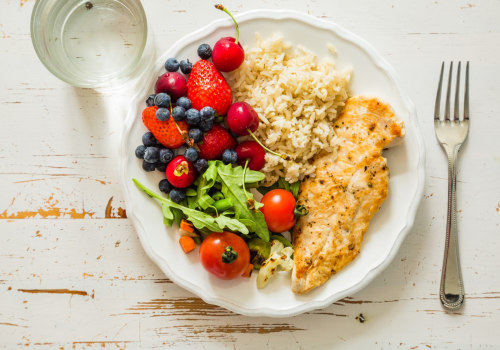
When it comes to portion control with snacks, making healthy snack choices is essential for achieving weight loss goals. Selecting nutritious options can help you stay satisfied while keeping calorie intake in check.Here are some wholesome snack ideas that are minimally processed and support your weight management efforts:1.Fresh Fruits: Fruits like apples, berries, and oranges are not only delicious but also packed with vitamins, minerals, and fiber. They provide natural sweetness and can be enjoyed in appropriate portions.
2.Vegetables with Hummus:
Raw vegetables such as carrot sticks, cucumber slices, or bell pepper strips paired with a small serving of hummus make for a crunchy, satisfying snack that’s low in calories.3.Greek Yogurt:
A serving of plain Greek yogurt is rich in protein and probiotics. Top it with a sprinkle of nuts or seeds for added texture and nutrition.4.Nuts and Seeds:
Almonds, walnuts, and pumpkin seeds are nutrient-dense options that offer healthy fats and protein. Just remember to keep portions small, as they are calorie-dense.5.Popcorn:
Air-popped popcorn is a whole grain snack that can be enjoyed in larger portions compared to other snacks.Season it with a sprinkle of salt or nutritional yeast for added flavor without the extra calories.
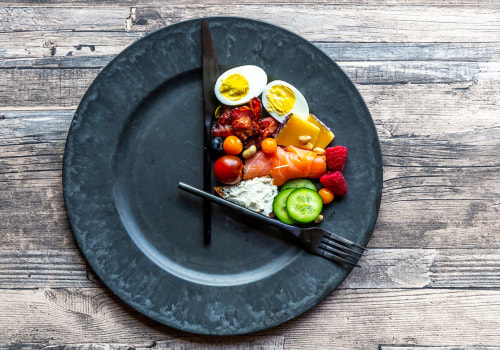
6.Hard-Boiled Eggs:
Packed with protein, hard-boiled eggs are a convenient and filling snack option. They can help curb hunger and keep you on track with your weight loss journey.7.Whole Grain Crackers:
Choose whole grain or seed-based crackers that are high in fiber. Pair them with a low-fat cheese or nut butter for a balanced snack. By incorporating these nutritious snack options into your diet and practicing portion control, you can enjoy satisfying snacks that aid in your weight loss journey without compromising on taste or health. In conclusion, mastering portion control with snacks is essential for anyone looking to achieve their weight loss goals. Throughout this article, we have discussed the significance of understanding portion sizes, making healthy snack choices, and employing mindful snacking techniques.By implementing the tips for managing snack portions shared here, you can transform your snacking habits and contribute positively to your weight loss journey. Remember, small changes in your snacking behavior can lead to substantial results over time. Embrace these strategies in your daily routine and witness the impact they have on your overall health and well-being.